4 min read
When the internet goes quiet: why resilient calling matters
Your calls, messages, bank, work and news now all travel over one internet connection. That is mostly great news. But when the connection drops, everything drops with it, including the call to the people you love.
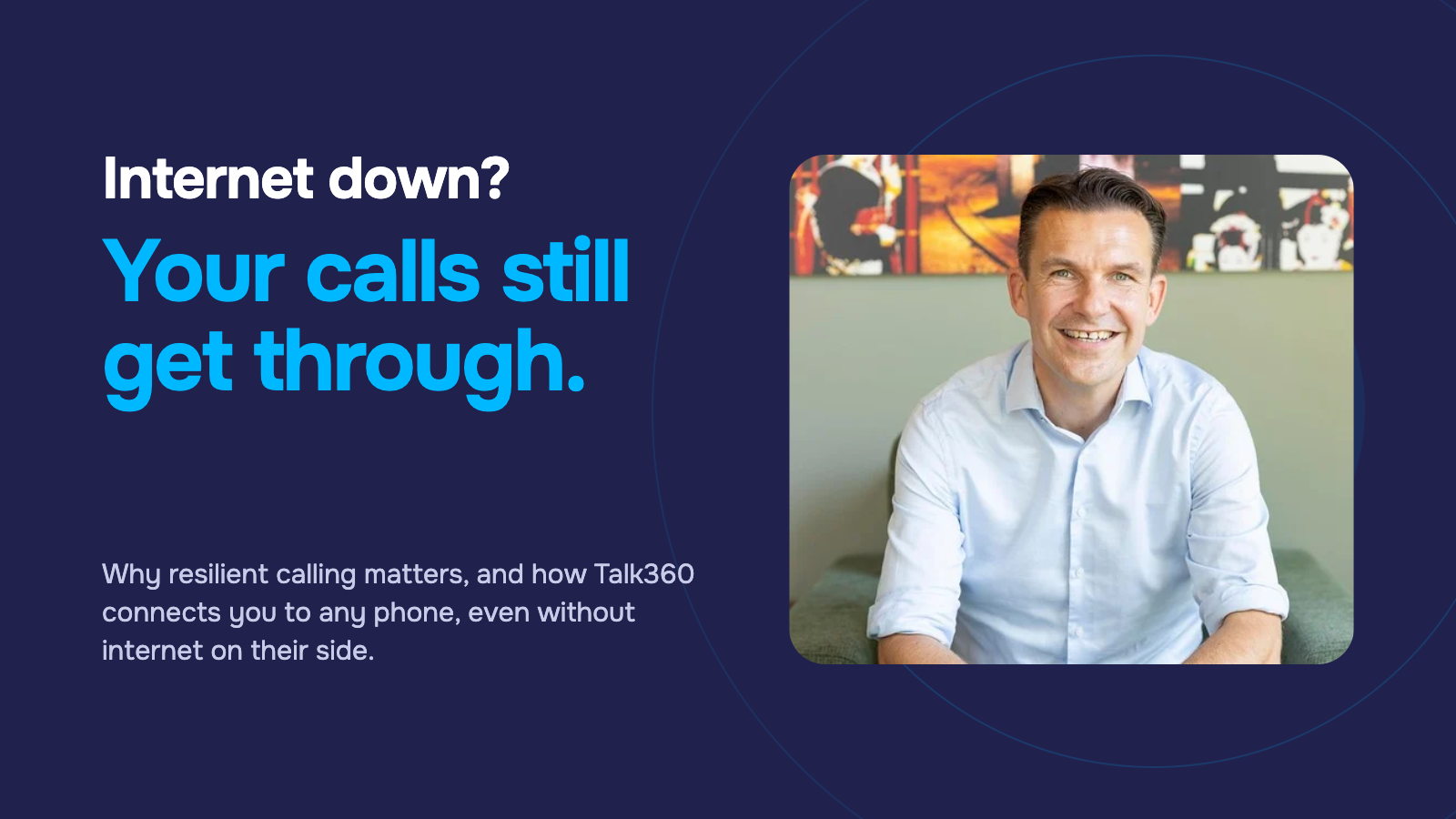
On 16 October, our CEO Hans wrote about this on e27, looking at Southeast Asia. Here is what it means for anyone who lives far from home and depends on a phone call to stay close.
When the connection fails
Internet outages are not rare events. Cloudflare counted 174 major internet disruptions worldwide in 2025. The causes range from cut cables and power failures to storms, technical faults and deliberate shutdowns.
Southeast Asia has felt this first-hand:
- Vietnam: in June 2024, three of the country's five international subsea cables had problems at the same time. A year earlier, all five were disrupted at once.
- The Philippines: across thousands of islands, a single typhoon can knock out power and mobile networks together. That cuts off more than social media. Banking, transport updates, emergency contact and calls to family can all go quiet at once.
The networks themselves are not the problem. They are faster and better than ever. The problem is that so much now depends on the same single route.
Why it matters most when you live far from home
A network can work 99.9% of the time and still fail you in the 0.1% that counts. A storm back home. A parent in hospital. A family decision that cannot wait.
Millions of people in Southeast Asia and beyond live and work away from their families: migrant workers, international students, families spread over several countries. For them, a phone call is not a convenience. It is the line that connects them to home.
In those moments, nobody cares which app is the newest. What matters is one thing: can I reach them?
Plan for the bad day, not just the good one
This is not an argument against progress. Fibre, 5G and internet calling are huge steps forward, and nobody wants to go back to copper wires. The real question is whether we keep a backup route while we modernise.
Other industries already think this way:
- Hospitals have backup generators, because care cannot depend on one power source.
- Aircraft carry redundant systems, because engineers assume a part will fail one day.
- Data centres invest in failover and multiple power supplies for the same reason.
Staying in touch with the people you love deserves the same mindset: always have a second way through.
Being reachable is not enough, you also need to be trusted
There is a second challenge: trust. AI can now copy a voice from a short audio clip, and spoofed numbers and scam calls are everywhere. So people are more careful about who is really on the other end of the line.
That hits hardest in places where phone scams are already common, and for families who talk across borders every week. The more our contact is spread over apps, accounts and usernames, the more a familiar, direct call to a known number is worth.
A strong way to stay in touch keeps both things intact: you can get through, and the person you call knows it is really you.
What this means for you
You can't stop a typhoon or fix a subsea cable. But you can make sure you are not relying on one route only:
- Don't depend on app-to-app calls alone. If your family has no data or Wi-Fi, WhatsApp or Messenger calls won't reach them.
- Keep a way to call a regular phone number. Mobile networks often keep working when home internet or Wi-Fi does not.
- Agree on a plan with your family. Which number to call, and who checks in on whom, when the usual app goes quiet.
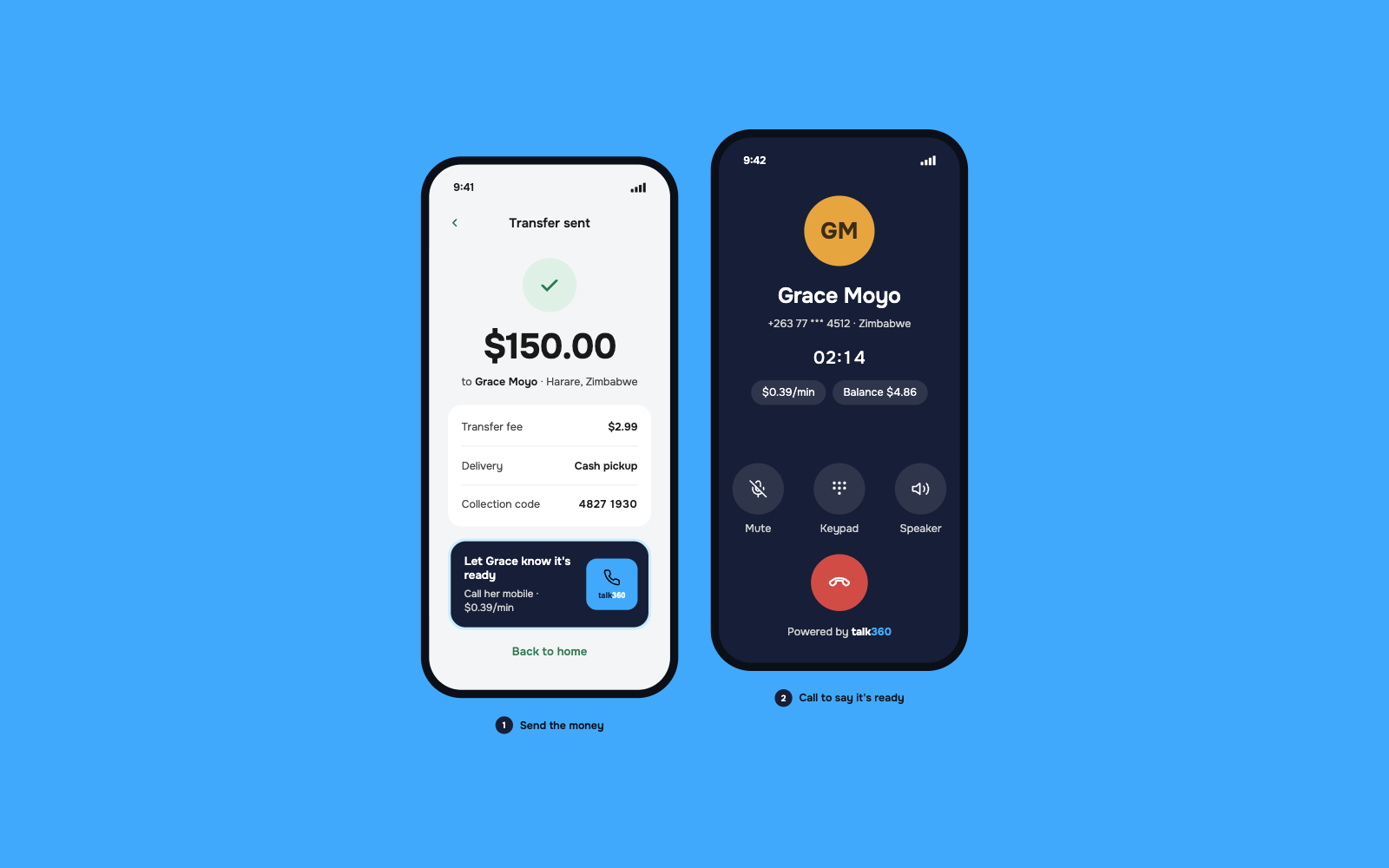
This is exactly why Talk360 exists. With the app you call any mobile or landline number in the world. You need an internet connection; the person you call doesn't. They simply pick up on their own phone, with no app, data or Wi-Fi needed on their side. See how Talk360 works.
Faster networks are a gift. But the best way to stay in touch is the one that still works on the day something goes wrong.
Read Hans's full article, "Faster, smarter, but more fragile? Rethinking communications resilience in Southeast Asia", on e27.
Keep reading